The spaces that decide a game
Look beyond the player on the ball. The next move often begins in the space nobody is watching.
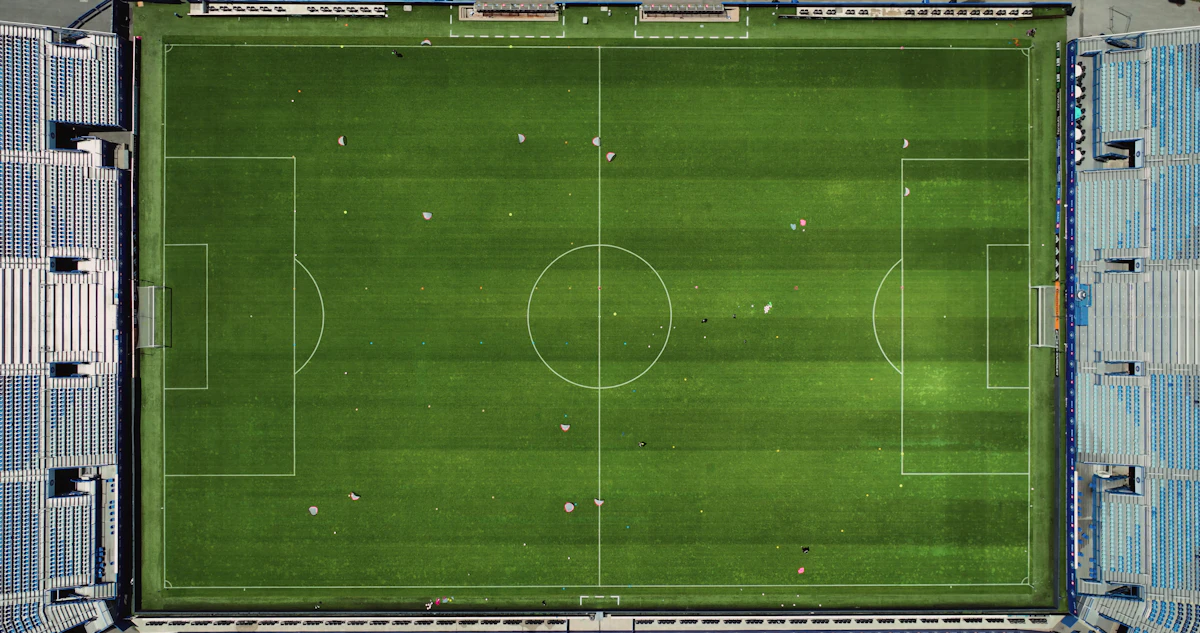
Watching the ball is natural. Understanding a game sometimes means looking away from it. A run that pulls a defender aside, a midfielder holding a position or an attacker waiting between lines can change the options available to the player in possession.
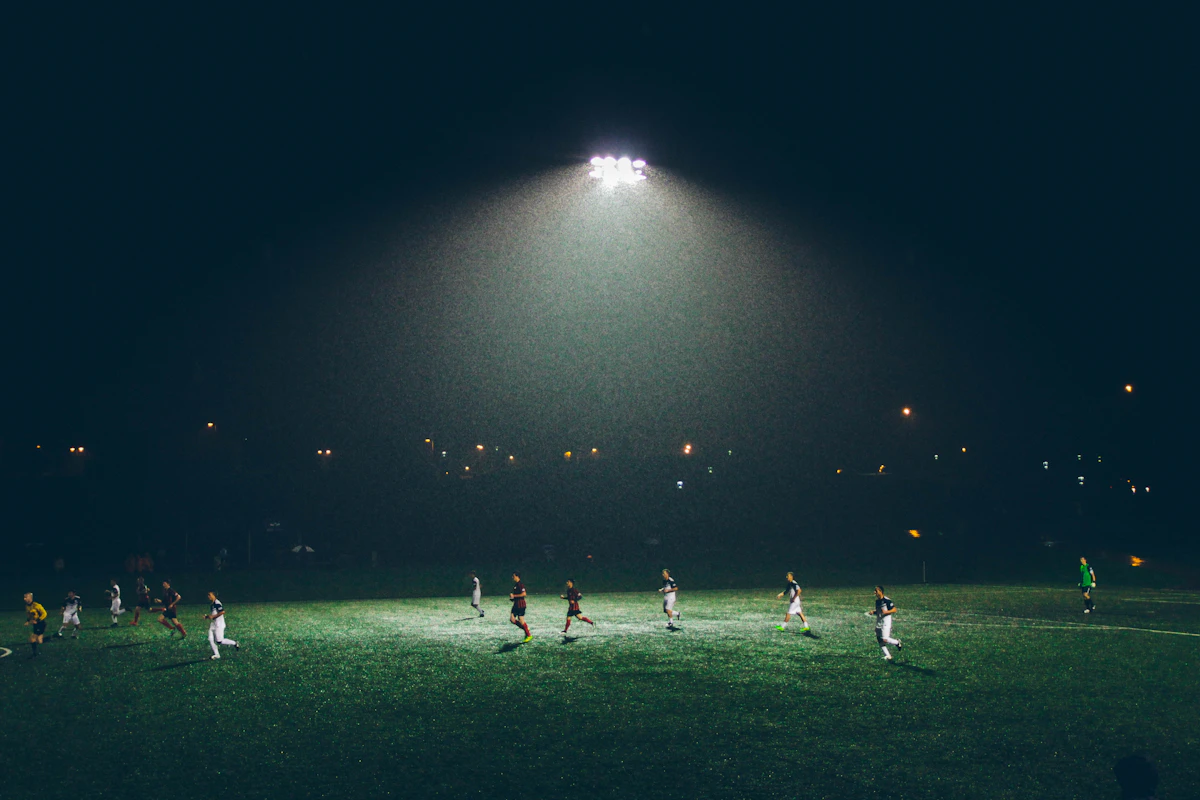
This demo analysis is a general tactical explainer for the La Liga section. It makes no claim about a current club, coach or fixture. The image is an illustrative football photograph.
Reading the pitch
Space is relative. An area that looks open may close as the ball travels, while a tightly marked player may create room for a teammate by moving in the opposite direction. The value of a position depends on the surrounding movement.
A passing angle gives the player on the ball another decision. Moving a few steps can make a teammate available or bring a defender into a difficult choice. These small adjustments are easy to miss in a highlights package.
Pressing is also about space. The first player to approach the ball can guide an opponent toward a particular pass, while teammates prepare to close the next option. Explaining the collective movement is more useful than praising effort alone.
A closer look
A tactical article should support its interpretation with a clearly identified sequence. What happened first, how the opposition responded and what opportunity followed give the reader a way to assess the argument.
Not every outcome proves the plan. A promising move can fail through execution; a risky decision can succeed through an opponent’s mistake. Good analysis leaves room for that uncertainty.
The goal is not to make football sound complicated. It is to make the next match more rewarding to watch by pointing out a few patterns that might otherwise pass unnoticed.